
Two streets in the same city can behave like different countries. On one, a house sells in nine days and goes $40,000 over asking. Six blocks away, a similar house sits for four months, gets two showings, and the seller quietly drops the price. Same schools, same water, same commute. The difference is who is moving in, and who is moving out.
I've watched this play out on the ground as a small-scale landlord and a close follower of my local market for years. Migration is the most underrated variable in real estate. Interest rates get the headlines, but people moving across borders, states, and neighborhoods are what actually set the floor and ceiling of your local prices. Let's break down how migration patterns impact local real estate, from rents to zoning fights to the deals you can spot before anyone else.
Key Takeaways
- Migration changes real estate through demand, not through prices directly. Prices are just the signal.
- Domestic migration and international immigration hit the same market in different ways and on different timelines.
- Supply rarely responds fast. Zoning, permits, and construction lag can turn a mild inflow into a genuine shortage.
- Rents move first and hardest. Home prices follow, with a delay of months or more.
- The neighborhoods that absorb newcomers are often the ones nobody was watching two years earlier.
How migration patterns impact local real estate: the mechanism nobody explains
Here's the thing most coverage skips. Migration doesn't "raise prices." It shifts the number of households competing for a fixed pile of homes. When 500 new households arrive in a town with 300 available units, you don't get a gradual adjustment. You get a bidding war on the bottom third of the market, and that pressure ripples upward.
I saw this on a street I own a duplex on. When a nearby university expanded its research program, a wave of postdocs and staff needed rentals fast. Within one leasing season, my rent went from $1,150 to $1,480 for the same unit. I did nothing to the apartment. The market did it for me.
The demand side
New arrivals need somewhere to live now. That immediacy is what separates migration from organic population growth. Births and graduations unfold over years. A migration wave can hit a rental market in a single quarter.
- Renters absorb the first shock, because they sign leases on short notice.
- First-time buyers follow 12 to 24 months later, once they've saved and settled.
- Investors show up last, once the price signal is obvious to everyone.
The supply side
And this is where it gets ugly. Building new housing takes time you don't have. Permits, zoning hearings, contractor schedules, materials — realistically two to four years from idea to occupied units in most places. By the time supply catches up, the wave has either passed or permanently changed the neighborhood. The catch? Supply never really "catches up" so much as the demand curve finally flattens.
So the takeaway is simple: when you hear about a new employer, a new transit line, or a policy shift, think about households and units, not prices.
What factors affect migration patterns?
People don't move randomly. They move toward something and away from something, and the mix of those forces decides which markets get squeezed.
Jobs and wages
The single strongest driver. When a metro adds high-paying jobs faster than it adds housing, you get the classic squeeze. Remote work softened this a little — a software engineer can now earn a coastal salary and spend it in a mid-sized city — but it didn't erase the pull of a strong local job market. It just widened the set of places that qualify.
Housing cost itself
This one is a feedback loop, and it's the part I find most interesting. People leave expensive metros because they're expensive, which pushes up prices in the cheaper metros they move to. Over a few years, the "affordable" destination stops being affordable. I've watched two mid-sized cities near me go through exactly this cycle.
Policy, demographics, and climate
Immigration rules change the volume and composition of international arrivals. An aging population drives retirement migration toward warmer, lower-tax areas. And increasingly, climate risk — wildfire, flooding, extreme heat — pushes people out of places that were considered stable a generation ago. None of these operate alone. They stack.
| Migration type | Typical timeline to affect prices | Most affected segment | Who feels it first |
|---|---|---|---|
| International immigration | Weeks to months | Entry-level rentals | Landlords and renters |
| Domestic in-migration | 6 to 18 months | Mid-market homes | First-time buyers |
| Retirement migration | 1 to 3 years | Single-family, amenities | Local sellers |
| Out-migration | Slow, 2+ years | Whole market softens | Sellers who waited |
Read that table again if you're weighing a purchase. The type of migration tells you the timeline you're working with. Getting that wrong is how people buy at the top.
How does immigration affect local communities?
Beyond the numbers, immigration reshapes what a neighborhood actually is. And the honest answer is: it depends heavily on how fast it happens and whether the housing supply can flex.
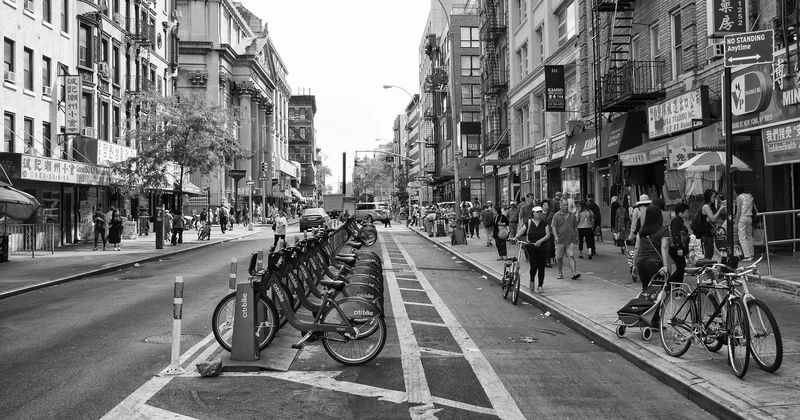
The economic effects
Newcomers start businesses, fill labor shortages, and expand the local tax base. In several towns I've looked at closely, the arrival of immigrant families kept schools open that were otherwise facing closure due to declining enrollment. That's not a small thing — a closed school drags down nearby home values for years.
But the strain is real too. When arrivals outpace housing, rents spike for everyone at the bottom of the market, including long-time residents who didn't move at all. The problem isn't the newcomers. It's the shortage. Confusing the two is how communities end up fighting the wrong battle.
What actually determines the outcome
- Whether the local housing supply can expand, or is locked down by zoning.
- How fast the inflow arrives — a trickle gets absorbed, a surge doesn't.
- Whether public services scale with the population or lag behind it.
- The strength of existing community institutions and how they welcome or resist.
My blunt opinion: the communities that handle immigration well are the ones that build housing ahead of the curve. Everyone else just argues about symptoms.
How are immigration patterns changing?
The map is redrawing itself, and a few shifts matter more than the rest.
Remote work permanently loosened the link between where you live and where you earn. Small and mid-sized metros that were once "flyover" now compete for the same households as the big coastal cities. Meanwhile, climate and cost pressures are pushing people out of some historically dominant regions, and immigration policy keeps reshaping the volume of international arrivals — sometimes expanding it, sometimes throttling it, often with little warning.
What this means for you as a buyer, seller, or landlord: the old rule of "buy where jobs are" still holds, but "jobs" now includes remote income flowing into a place that never had those salaries before. That's the new variable. And it makes local research — real, on-the-ground research — more valuable than any national trend line.
What this means for you
If you own property, watch the inflow before it shows up in prices. Talk to local employers, follow permit filings, notice which schools are gaining enrollment. Those are your early signals, and they beat any headline about the housing market.
If you're buying, ask a harder question than "is this a good area?" Ask "who is moving here, and is anyone building for them?" That second question is where the real answer lives. And if you can't answer it, you're not ready to make an offer — no matter how good the listing looks.